Power Splitters
PIM:-160dBcN, 4.3-10 or DIN Type


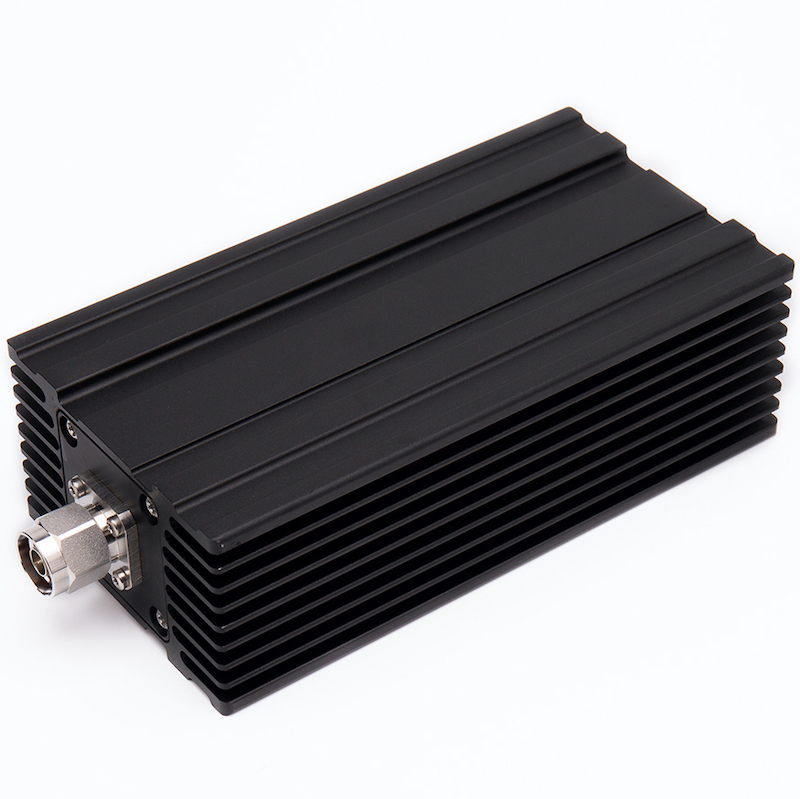
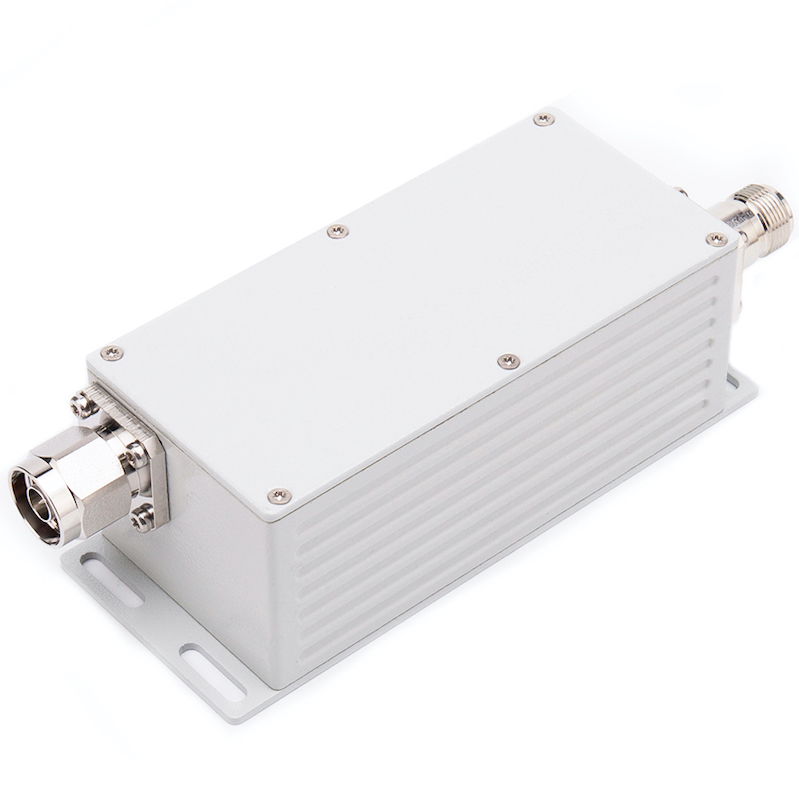
Low-PIM passive components are RF devices designed and tested to limit passive intermodulation in wireless infrastructure. They include power splitters, couplers, tappers, hybrid combiners, loads, attenuators, connectors, adaptors, and related components used in DAS, indoor coverage, and BTS or tower-site RF paths.
Passive intermodulation can create unwanted products that fall into an uplink band, raising interference and degrading receive performance. A low-PIM component helps reduce that risk, but the final system result also depends on connector condition, installation torque, cleanliness, cable and jumper quality, corrosion, mechanical stress, power levels, and the test method. One component specification does not guarantee the PIM result of the complete RF path.
RFCOM supplies power splitters, directional couplers, tappers, hybrid combiners, loads, attenuators, connectors, adaptors, antennas, and RF cable assemblies for passive DAS, indoor coverage, tower sharing, and BTS-site applications. Product availability and specifications vary by band and model.
Selected RFCOM passive-component models are specified at -160 dBc PIM. That value is not a universal portfolio guarantee. Confirm the exact model, frequency band, connector configuration, test-tone power, test method, power rating, and environmental condition in the approved datasheet before using the value in a design or tender.
Yes, when the selected model matches the application. Indoor or outdoor suitability depends on frequency range, power rating, connector interface, PIM target, IP rating, sealing, corrosion resistance, temperature range, mounting, and local environmental conditions.
A splitter divides input power into two or more paths, usually with defined and often equal division. A directional coupler samples or routes a specified portion of the power while most continues along the main path. A tapper provides unequal outputs for branch balancing in a distributed network. A hybrid combiner combines or separates RF paths with isolation characteristics suited to the design. The names do not replace a link-budget check; insertion loss, coupling value, isolation, power, frequency, and PIM still matter.
Start with the system topology and link budget. Check the required bands, coupling or split values, insertion loss, port isolation, return loss, power handling, PIM target, connectors, DC path, indoor or outdoor environment, and mechanical installation. Components should be evaluated as one RF path rather than selected from a single headline specification.
RFCOM can review custom frequency ranges, connector interfaces, power handling, PIM targets, mechanical layouts, environmental ratings, labels, and project-specific port configurations. Custom performance and test conditions are confirmed before quotation.
Provide the component type, frequency range, connector interface, power rating, PIM requirement and test condition, coupling or attenuation value, quantity, installation environment, IP requirement, and any outline drawing or tender specification.
RFCOM controls PIM through both product design and manufacturing. Where the product design allows, the cavity uses an integrated one-piece structure with fewer solder joints, silver-plated internal surfaces, and carefully selected high-quality connector interfaces. Controlled assembly and end-of-line RF inspection help maintain consistency before shipment. Applicable product families also undergo qualification tests such as salt-spray and vibration testing. The exact construction, PIM test condition, and environmental test standard should be confirmed for the selected model.