01
Access the source
The near-end unit receives an available 5G signal from a macro site or indoor source.

Active Reconfigurable Intelligent Surface for 5G Networks
RFCOM Active RIS is designed for sites that have a usable donor signal but cannot reach the target area reliably because of distance, obstruction or installation limits. The system combines wireless donor access, an active relay path and digitally controlled beam shaping in a field-deployable architecture.
5G coverage gaps often appear where building penetration loss is high, the target area is far from existing infrastructure, or fiber and property coordination make a conventional RRU deployment slow and expensive.
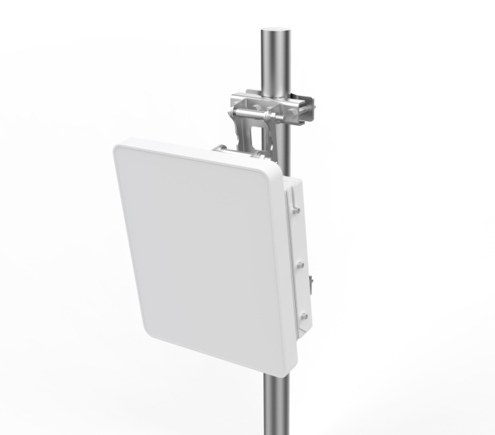
The solution forms a controlled wireless relay chain from the existing 5G source to the target coverage area.
The near-end unit receives an available 5G signal from a macro site or indoor source.
Engineers verify donor quality and align the receiving direction for the actual site condition.
Phase, amplitude and active gain are controlled to form a directional relay path.
The remote unit directs the relayed signal toward the building, route or outdoor service zone.
There is no single RIS layout for every project. Donor quality, isolation, path profile, power, mounting locations and target service levels determine the practical architecture.
A near-end and remote unit form a controlled relay path toward one defined blind spot or service area.
Multiple target points may be considered when the selected product version, link budget and site geometry support the design.
Roads, bridges, tunnels and other long routes may use staged relay points after delay, isolation and synchronization are verified.
Active RIS is useful when a usable donor signal exists but terrain, building layout, distance or construction restrictions prevent reliable service in the target area.
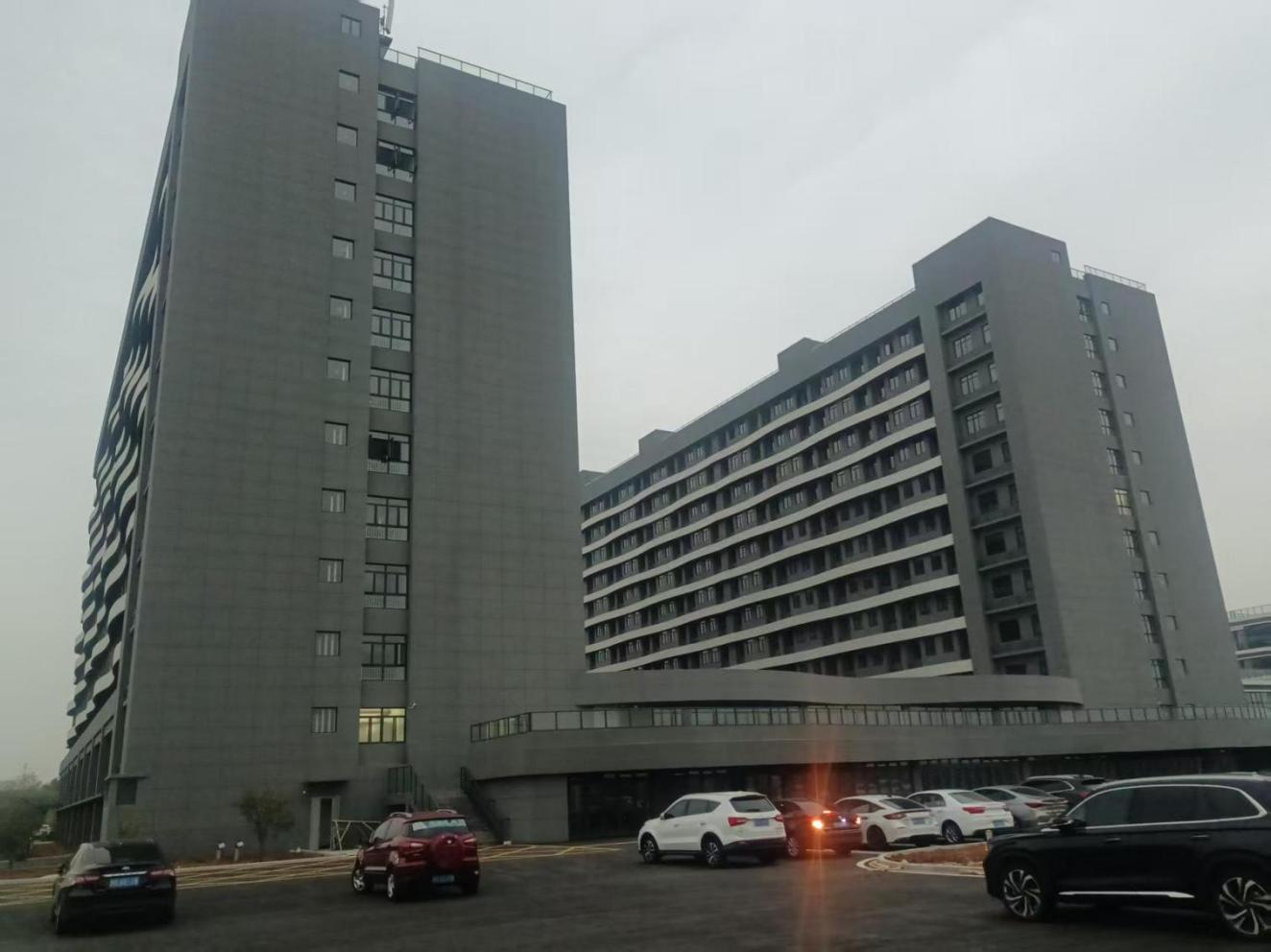
Direct coverage toward blocked floors, dormitories, venues and other difficult indoor areas.
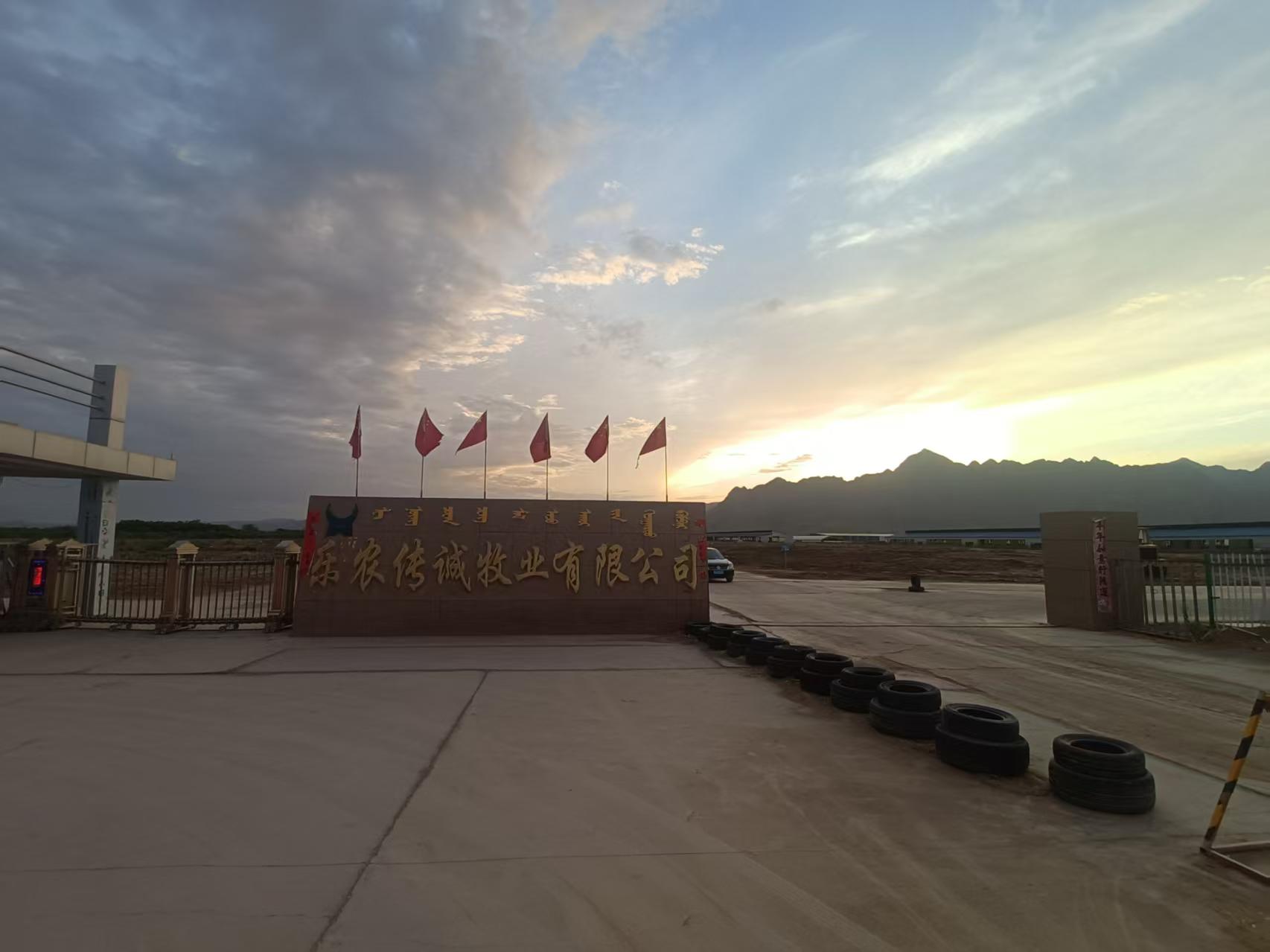
Extend service toward scattered demand zones without building a complete target-area site.
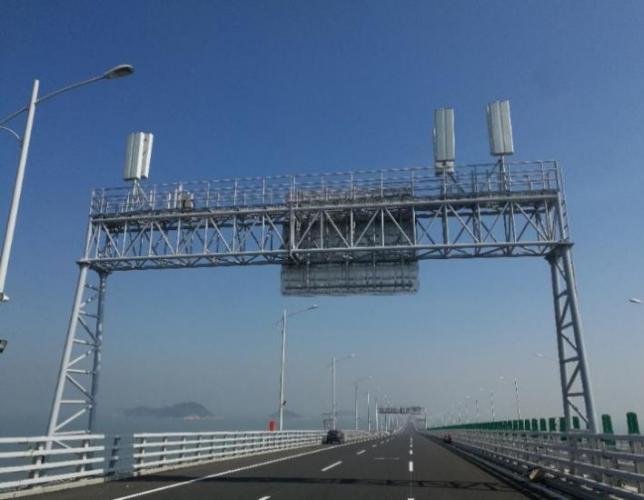
Use directional or cascade relay architecture for coverage along constrained linear environments.
The correct architecture depends on signal conditions, capacity requirements, spectrum, site geometry and long-term operating needs. Active RIS is an additional engineering option, not a universal replacement for DAS, small cells or new radio sites.
| Decision factor | Conventional RRU expansion | RFCOM Active RIS |
|---|---|---|
| Signal transport | Typically requires transmission and power at the new radio location. | Uses an available wireless source signal and an active relay path. |
| Target-area construction | May require fiber, equipment room, property access and civil work. | Designed to reduce target-area construction in suitable scenarios. |
| Coverage direction | Determined by radio and antenna installation. | Digitally controlled horizontal and vertical beam shaping. |
| Best fit | High-capacity or permanent sites where full infrastructure is justified. | Blind spots, coverage edges, temporary sites and difficult construction areas. |
In RFCOM's current product architecture, Active RIS is a cellular coverage-extension system for sites where a usable donor signal exists but does not reach the target area reliably. A near-end unit accesses the donor signal, an active relay path processes it, and a remote unit directs coverage toward a defined area. It is an option for targeted coverage improvement, not a universal replacement for a base station, DAS, small cell, or repeater.
Passive RIS mainly redirects incident radio energy and therefore depends heavily on donor strength, angle, and path geometry. RFCOM's Active RIS architecture adds an active relay path and controllable beam shaping, giving the RF designer more link-budget flexibility. The added gain does not remove the need to check donor quality, isolation, interference, synchronization, and local approval requirements.
An outdoor WiFi access point provides WiFi connectivity from an IP backhaul; it does not extend a licensed cellular signal in the same way. A conventional cellular repeater amplifies selected uplink and downlink bands. RFCOM Active RIS combines relay gain with adjustable beam direction and beamwidth. The right choice depends on band support, donor conditions, capacity, isolation, monitoring, certification, site geometry, and total cost. Active RIS is not automatically better than a repeater.
As a general screening reference, RFCOM normally looks for donor RSRP above -85 dBm with SINR above 5 dB for a 1 W configuration, and donor RSRP above -95 dBm with SINR above 5 dB for a 10 W configuration. These are initial evaluation references rather than universal acceptance thresholds. Bandwidth, source-cell loading, path profile, interference, receive location, and the selected model must still be checked through measurements and a link-budget review.
Coverage depends on the environment, donor quality, antenna gain and beamwidth, mounting height, path loss, interference, and the required service level. Based on RFCOM project experience in unobstructed conditions, a 1 W configuration has covered approximately 360 meters, while a 10 W configuration has covered up to approximately 2.5 kilometers. These distances are project references, not guaranteed model specifications; the expected range must be confirmed for the actual path and acceptance target.
The donor base station remains the main source of cellular capacity. Active RIS can extend usable coverage and improve radio conditions in a blind spot or low-traffic area, but it does not create an independent base-station capacity layer. User experience still depends on donor-cell loading, available spectrum, MIMO configuration, SINR, scheduler behavior, and the number of active users.
No. Wireless donor access may avoid bringing a new radio backhaul connection into the target area, but the equipment still needs power, mounting, and the specified connection between system elements. Different product versions may use different transport and powering arrangements. RFCOM must confirm the exact architecture before design or quotation.
Beam-control behavior is version-specific. Depending on the product, a management platform may select a beam pattern or support defined interference-control functions. Adjustable direction and beamwidth can focus coverage and reduce unnecessary spill, but sidelobes, reflections, uplink noise, and the surrounding RF environment remain. The system should not be described as creating zero leakage or zero interference.
Active RIS equipment is band-specific; it is not one universal full-band device. RFCOM reviews the operator band, bandwidth, duplex mode, TDD synchronization, carrier configuration, uplink and downlink architecture, and market-specific approval requirements. Support for a named band or network must be confirmed against the exact model and approved datasheet.
Star, distributed, and cascaded layouts may be considered, but there is no topology limit that applies to every version. The practical number of remote units or relay stages depends on the model, transport architecture, link budget, gain, isolation, synchronization, delay, power, and traffic requirements. Fixed figures such as `1:16` require version-level confirmation.
Management capability must be specified feature by feature. Depending on the version, functions may include online status, beam selection, and equipment configuration; proactive alarms, traffic statistics, remote upgrades, and northbound integration are not universal. Security review should cover management interfaces, user access, credentials, encryption, remote connectivity, firmware updates, data ownership, and the deployment network.
RFCOM needs the target coverage problem, service level, donor RSRP and SINR, band, bandwidth, source-cell information, distance, terrain, obstructions, mounting heights, power and transport availability, expected users, and local approval requirements. Before installation, agree on baseline and post-deployment test locations and methods for RSRP, SINR, uplink and downlink throughput, service continuity, mobility, and handover where applicable.
Share the source-signal measurements, target-area map, distance, frequency band and expected coverage level. RFCOM can review whether Active RIS, DAS, a repeater or another architecture is the better fit.
